Theses on creativity, storage, and search in the age of AI
September, 2026
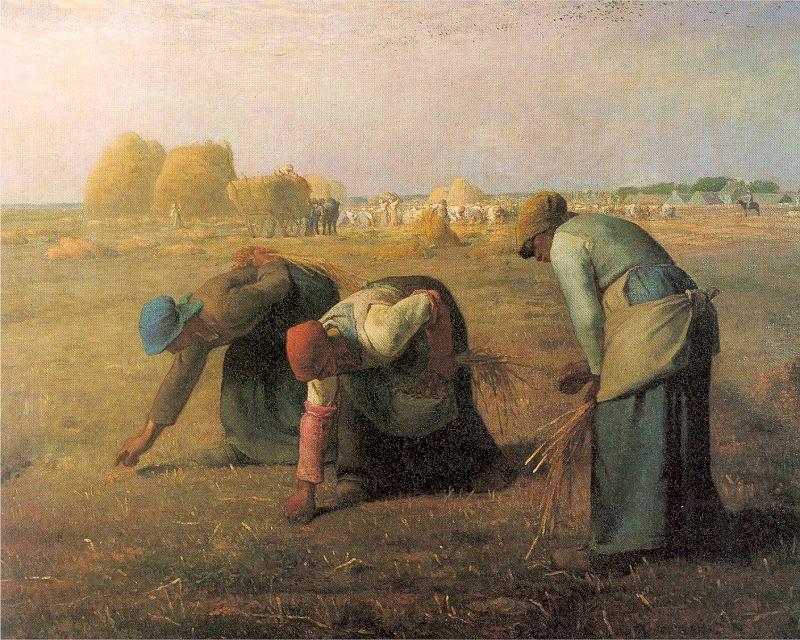
Human creativity has always been translated, expanded, and amplified by our tools. First we design our buildings; then they design us. The calluses left by the handle of a scythe, the cold metal bar of a printing press, and now the pixels on the screen searing our eyes, keys worn down with use, warm from our hovering hands, the trackpad a boundless expanse: that is how we touch the world.
Our digital world has been the best system of record humanity has ever created. All ideas (save for maybe smell and taste), can be entirely entirely mapped to 0s and 1s: captured in images, still and moving; and text. This is incredible coverage for humanity’s ideas.
Is this the closest we’ve come to creating the platonic ideal of the mind? In the same way that neural networks led to breakthroughs in how we understand the brain, our storage systems are representations of who we are: what we think, what we do. How do we create containers that better hold our selves and our ideas?
The creative process is inherently single player. What does multiplayer look like?
Creation is an intimate relationship between one person and their tool: you and a video editor on your computer, Procreate on your iPad, a notebook, a canvas.
Even the most ambitious projects come down to one pair of hands. Kehinde Wiley might have ten studio assistants executing his backgrounds. The Odyssey’s production teams might turn files back and forth, with colorists working on different parts of the project. But the last touch point of creativity and craft is still a solo journey. One person makes the final mark.
Creative collaboration becomes a resource management and mission & context alignment issue, not a matter of editing the same frame together. The files are also massive and complex. For those reasons, a live multiplayer interface like “Figma for videos” doesn’t make much sense, and game studios still rely on command line interfaces to push changes.
AI has increased the incentive of putting things online. Everyone is a “studio manager” now. Everyone has the capacity to parallelize, modularize, and sequence. Two people collaborating is also no longer the merging of just two minds, but two entire studios.
What does multiplayer AI and creativity look like?
Folders are limited containers for ideas.
Can we create a system of representation for our knowledge and ourselves that best mimics memory and inspiration? Folders are like binders, cabinets, rooms that contain our stuff. But that assumes our assets are all discrete; one sheet of paper cannot merge into another sheet.
Our digital files can. They can be layered on top of each other. They’re streams of 0s and 1s. What if we combined those streams? What if I wanted to cluster them differently? Why can’t they exist in multiple spaces? Some ideas lead to others. Some files change over time. Time and direction. How can we show that?
Good UI historically is largely deterministic. Certain actions carry certain expectations. Subversion of those expectations is occasionally appreciated (delightful!); but too much so and it is erratic. Our thoughts, however, are not deterministic. Should our storage reflect that?
Search across our personal multimedia libraries sucks. But the ROI on making it better has never been higher.
Search is occasionally the end itself (“Why is the sky blue?”). But more commonly, it is tied to some kind of output: build an argument, inform a decision, create something new. Using Bloom’s Taxonomy as a framework, our machines gave us recall, but every level of understanding and creation afterwards was on us.
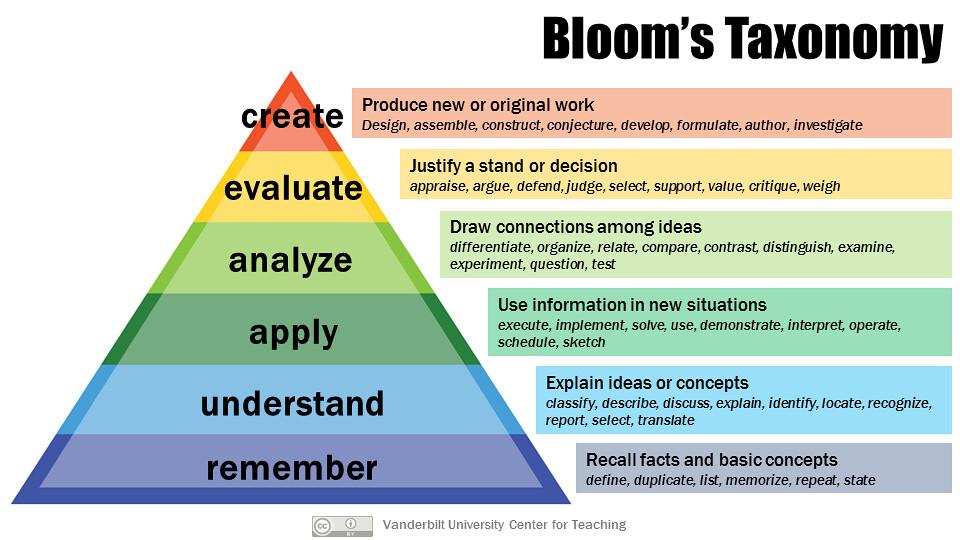
Not anymore. Our machines can now understand, apply, analyze, synthesize - maybe some evaluation and creation is still reserved for us. It’s search and synthesis, and synthesis requires personal context. The self here is not limited to our own personal systems, but also larger organisms like teams and companies. How can we help our machines develop a better understanding of ourselves through better multimedia search, and what new outcomes can we create?
The unbuilt studio.
There’s no unified studio space for creatives right now. We work across a million tools and a million sites, uploading and downloading incessantly, and with AI generating a dozen versions of every idea, our iteration process will only get more chaotic. Creative teams need one place to hold all their assets, with all their workflows built on top of it.
I don’t know what the future of work will look like. But I know that for as long as we have been alive, humans have wanted to be curious and creative, together. The artifacts of that process live in our files. We will keep making things with our hands: mould clay, paint on canvas, drag a pixel pencil across the screen, dodge and burn, coax generative art out of code. Plato believed that everything we see is a shadow of a perfect Form. Making things works the same way. The idea is purest in our minds; everything we make is a shadow of it. If we could build a Realm of Forms for our ideas, what would it look like?